
Bioactive Substrate
-
ReptiChip Breeder Blocks and Bundles
Regular price From $34.95 USDRegular priceUnit price per$39.95 USDSale price From $34.95 USDSale -
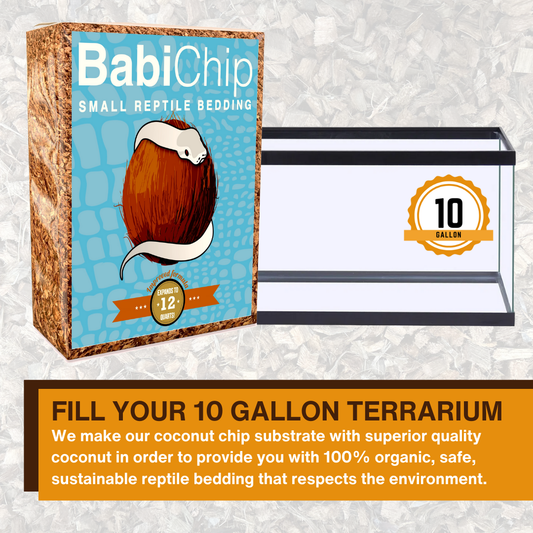
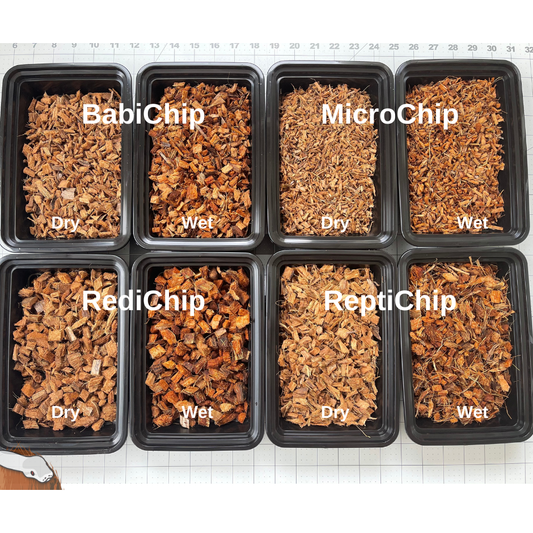
BabiChip Premium Small Sized Coconut Chips; Ready to Use
Regular price From $21.95 USDRegular priceUnit price per$25.95 USDSale price From $21.95 USDSale -
ReptiEarth Fine Coconut Fiber Mix; Ready to Use
Regular price From $19.95 USDRegular priceUnit price per$23.95 USDSale price From $19.95 USDSale -
TropicalBase Terrarium Mix; Bioactive Ready to Use
Regular price From $19.95 USDRegular priceUnit price per$29.95 USDSale price From $19.95 USDSale -
MicroChip Fine Coconut Chip Mix; Ready to Use
Regular price From $21.95 USDRegular priceUnit price per$24.95 USDSale price From $21.95 USDSale -
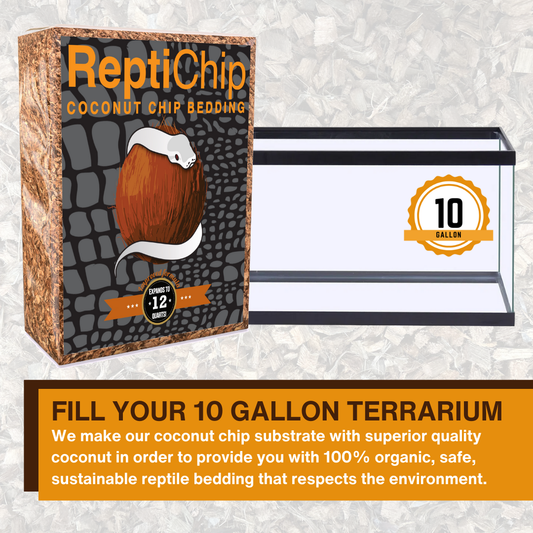
ReptiChip Coarse Coconut Chip Mix; Ready to Use
Regular price From $20.95 USDRegular priceUnit price per$24.95 USDSale price From $20.95 USDSale -
RediChip Premium Medium Sized Coconut Chips; Ready to Use
Regular price From $20.95 USDRegular priceUnit price per$24.95 USDSale price From $20.95 USDSale -
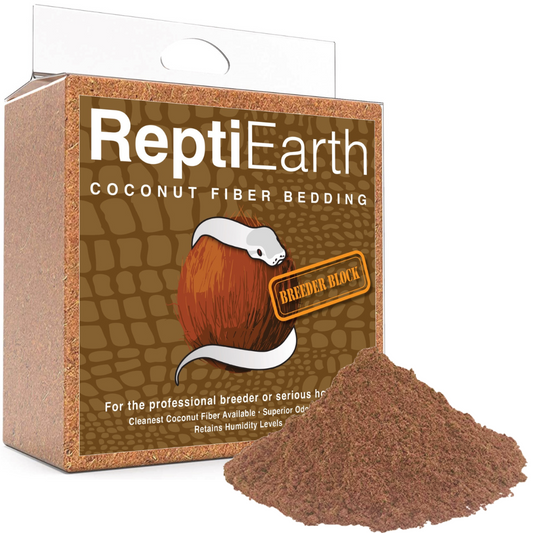
ReptiEarth Breeder Blocks and Bundles
Regular price From $33.95 USDRegular priceUnit price per$34.95 USDSale price From $33.95 USDSale









Happy Reptiles (& people)


Bearded Dragon Care
Learn more about your dragon's dietary needs, potential health issues, proper habitat, andmore. Together we'll make sure your beardie is receiving the very best food and care. View all
Safe Bearded Dragon Substrate: What to Use (and...
The safest bearded dragon substrate is solid flooring like tile, slate, paper, or reptile carpet. Learn when sand is OK, which loose substrates to avoid, why coconut fiber isn't ideal...
Safe Bearded Dragon Substrate: What to Use (and...
The safest bearded dragon substrate is solid flooring like tile, slate, paper, or reptile carpet. Learn when sand is OK, which loose substrates to avoid, why coconut fiber isn't ideal...
Read More
Your Dubia Roaches Arrived: Unboxing, Storage &...
What to do when your Dubia roaches arrive: unbox and let them adjust, tell sluggish roaches from dead ones, file a DOA claim with a timestamped photo within 3 hours,...
Your Dubia Roaches Arrived: Unboxing, Storage &...
What to do when your Dubia roaches arrive: unbox and let them adjust, tell sluggish roaches from dead ones, file a DOA claim with a timestamped photo within 3 hours,...
Read More
Shipping Dubia Roaches in Cold or Hot Weather: ...
How Dubia roach shipping works in cold and hot weather: when to add a heat pack (winter) or cold pack (85°F+), how hold-for-pickup works, delivery times, live arrival, and what...
Shipping Dubia Roaches in Cold or Hot Weather: ...
How Dubia roach shipping works in cold and hot weather: when to add a heat pack (winter) or cold pack (85°F+), how hold-for-pickup works, delivery times, live arrival, and what...
Read More
How to Gut-Load Dubia Roaches: A Simple Guide f...
Learn how to gut-load Dubia roaches for healthier bearded dragons and leopard geckos: 24–48 hour timing, best and worst foods, water crystals for hydration, and gut-loading vs. dusting.
How to Gut-Load Dubia Roaches: A Simple Guide f...
Learn how to gut-load Dubia roaches for healthier bearded dragons and leopard geckos: 24–48 hour timing, best and worst foods, water crystals for hydration, and gut-loading vs. dusting.
Read More



- Choosing a selection results in a full page refresh.
- Opens in a new window.