
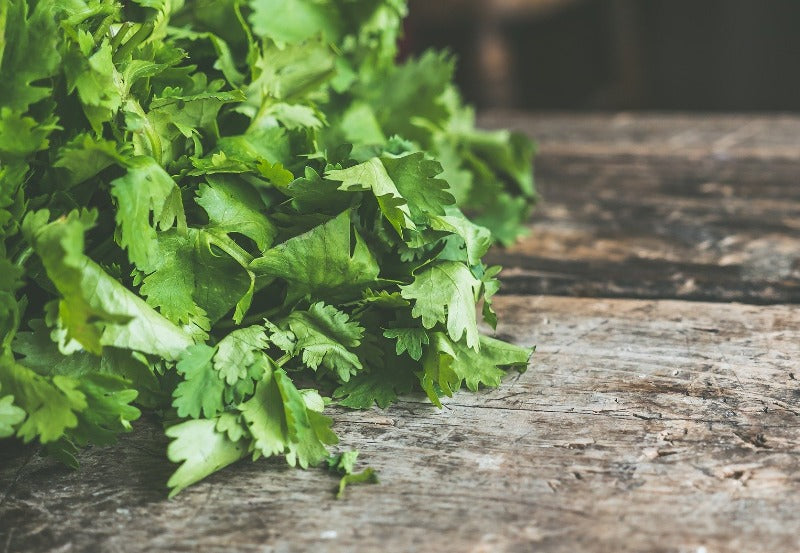
If you’ve ever enjoyed the unique taste of this herb in your favorite Mexican or Indian dish, you might want to share its distinct, refreshing flavor with your bearded dragon. While it might seem like a good idea to spice up your bearded dragon’s cuisine with some fresh chopped cilantro, do you know if their health will benefit? Can bearded dragons eat cilantro?
Can I Feed My Bearded Dragon Cilantro?
First, let’s clarify what food we are talking about here. Cilantro is often verbally confused with coriander and vice versa, since both the herb and the spice come from the same plant.
In North America, coriander usually refers to the dried seeds of the plant, which are often ground into a spice. Cilantro, which means “coriander leaves” in Spanish, refers to the leaves and stalk of the plant. Cilantro and coriander are actually quite different in nutritional content and taste. In this article “cilantro” refers to the fresh leaves of the plant.
On that note, cilantro is actually an excellent herb for bearded dragons. The nutritional components include:
- Antioxidants, which prevent inflammation
- Vitamins A and C, which are key for growth, a healthy immune system, vision, reproduction, and organ and tissue maintenance and repair
- Vitamin K, which is essential for tissue and blood cell maintenance
- Potassium, which regulates blood pressure
- Manganese, which aids metabolism
- Fiber, which promotes healthy digestion
- A little calcium, which promotes overall health and strong bones
Here are some other nutritional qualities that make cilantro dragon-friendly:
Cilantro has an antibacterial compound. In addition to its anti-inflammatory properties, cilantro contains dodecenal, an antimicrobial component which helps prevent food poisoning.
Cilantro contains more calcium than phosphorus. The 1.4:1 ratio is in the ideal range for bearded dragons, so you don’t have to worry about the phosphorus in cilantro overtaking your beardie’s vital calcium supply and causing metabolic bone disease over time.
Fresh cilantro is about 92% water. In addition to having quite a few nutrients, cilantro provides hydration for your bearded dragon.
Cilantro has no sugar. This is a good thing since bearded dragons don’t need any excess sugar in their diet. Too much sugar causes obesity, kidney problems, diabetes, liver disease, and even heart failure in bearded dragons.

How Often Can I Give My Bearded Dragon Cilantro?
Cilantro isn’t really problematic for bearded dragons’ health, but there are two reasons it doesn’t work as a staple green.
First, bearded dragons shouldn’t eat too much of it consistently due to the water content. Too much water can cause diarrhea, which can actually severely dehydrate your dragon if it is prolonged. Sprinkling a little cilantro on your dragon’s salad every other day or so should be just fine, but of course you can keep an eye on things to make sure it isn’t adversely affecting your dragon’s digestion.
Second, even though cilantro does have calcium, it is a very small amount, and overall the herb isn’t rich enough in vitamins and minerals to be a staple in your dragon's diet.
Pro Tip: If you are looking for staple greens to offer your dragon, try collard greens, mustard greens, endives, turnip greens, or alfalfa instead. Dandelion leaves are also great for bearded dragons, although you must ensure they come from a pesticide-free area.
How Can Bearded Dragons Eat Cilantro?
As with all produce, it’s best to buy organic cilantro if possible. Either way, make sure the cilantro is fresh and thoroughly washed before serving it to your bearded dragon. You can chop it finely and mix it into a salad of leafy greens, or you can offer it alone—some dragons love cilantro and will gobble it right up with or without surrounding veggies.
What Will Bearded Dragons Eat with Cilantro?
Cilantro is an excellent way to add a little flavor to your bearded dragon’s healthy, balanced diet. You can mix up a salad with some cactus leaves, carrots, bell peppers, and yellow squash, maybe with a few blueberries or strawberry slices for dessert.
Pro Tip: Although bearded dragons can usually munch on cilantro leaves whole, it’s safer to chop them up to prevent any chance of them lodging in your beardie’s throat.
Basil, fennel, lavender, and thyme are some other herbs bearded dragons can eat. Have some fun and get creative with serving cilantro to see what salads your beardie likes best!
If you have questions or would like to give feedback, please email us at team@dragonsdiet.com