
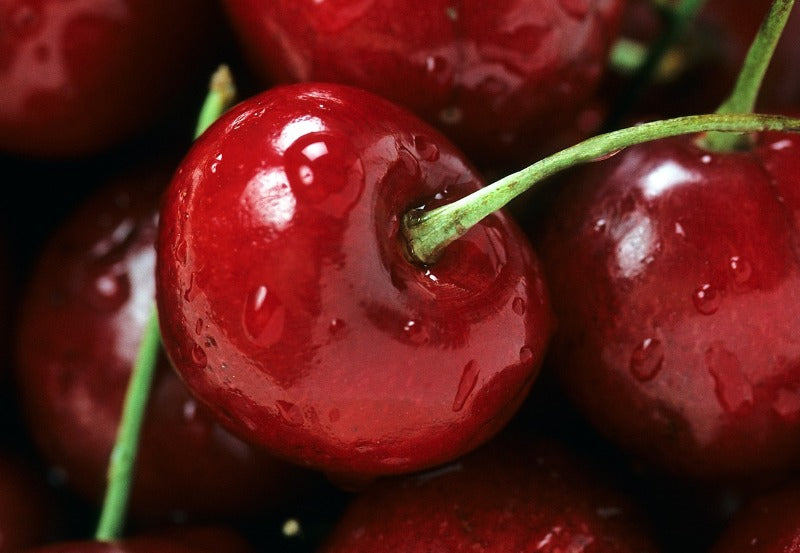
Dripping with sweet, tart flavor and filled with nutrients, cherries make for a wonderful healthy snack or dessert. If you want to share some of the juicy deliciousness with your bearded dragon, you may wonder: what fruits can bearded dragons eat, and do cherries make the cut? Can bearded dragons eat cherries?
Yes, they can! But cherries shouldn't be eaten too often.
How Often Can Bearded Dragons Eat Cherries?
Cherries have several nutrients that are beneficial to your bearded dragon. Even so, bearded dragons can only eat cherries every few weeks or once a month, depending on what else they have eaten recently.
Let’s take a look at the key nutrients that cherries provide:
- Potassium, which aids muscle function and strengthens the kidney
- Copper, which helps maintain healthy blood cells
- Manganese, which aids in metabolism
- Vitamin C and antioxidants, which prevent inflammation and strengthen the immune system
These vitamins and minerals are important in your bearded dragon’s diet. So why can’t they have cherries every day?

Sugar overload. With 13 grams of sugar in one cup, cherries are considered one of the high-sugar fruits. Bearded dragons—especially adult beardies—really shouldn’t eat too many foods that contain a lot of sugar. If they do, they can quickly become obese, which can lead to liver and kidney damage, heart failure, tooth decay, and other problems. No Dragon Keeper wants to see their pet go through any of these issues!
Unbalanced calcium to phosphorus ratio. Like most fruits and veggies you feed your bearded dragon, cherries contain both calcium and phosphorus. Produce is safest for bearded dragons to eat regularly if it has a 1:1 to 2:1 ratio of calcium to phosphorus.
Cherries have a calcium to phosphorus ratio of 1:1.6. This isn’t too terribly off balance, but it makes cherries unsafe for bearded dragons to eat frequently—say, every week. Phosphorus depletes calcium in a bearded dragon, which can cause metabolic bone disease (MBD), so it’s best to limit your reptile’s intake of foods like cherries.
Can Bearded Dragons Eat Dried, Canned, or Frozen Cherries?
So raw cherries have to be limited. How about dried cherries, canned cherries, or frozen cherries?
Dried cherries are difficult to chew and have a lot of added sugar, which definitely puts the nail in their coffin where bearded dragons are concerned. Save these for your own snack, and don't share them with your reptile.
Canned cherries often contain various preservatives and chemicals, as well as other ingredients that can make your dragon very sick. It’s never a good idea to feed canned food to your dragon. In some cases, it can even result in death.
Frozen cherries are usually safe to feed your bearded dragon if there are no added ingredients. Be sure to thaw the cherries to room temperature first before you feed them to your dragon.
How Can Bearded Dragons Eat Cherries?
When it’s time to feed your bearded dragon cherries, follow these easy steps:
- Thoroughly wash the cherries.
- Remove the pit to prevent gut impaction.
- Slice the cherries in half or quarters and feed to your bearded dragon.
At the end of the day, cherries, while super tart and tasty, are one of those fruits that bearded dragons can really only eat as a rare treat.
When you are deciding if it’s time to give your dragon cherries, just consider the other things he’s been eating the past few weeks. If there are a lot of fruits on the list, especially high sugar ones like kiwi, pineapple, grapes, or bananas, you may want to save the cherries for later.
If you have questions or feedback, we'd love to hear from you! Please email us at team@dragonsdiet.com